-
About
 Fidelity & Excellence
Thomas Aquinas College is unique among American colleges and universities, offering a faithfully Catholic education comprised entirely of the Great Books and classroom discussions.
-
A Liberating Education
 Truth Matters
Truth, and nothing less, sets men free; and because truth is both natural and supernatural, the College’s curriculum aims at both natural and divine wisdom.
-
A Catholic Life
 Under the Light of Faith
The intellectual tradition and moral teachings of the Catholic Church infuse the whole life of Thomas Aquinas College, illuminating the curriculum and the community alike.
-
Admission & Aid
 Is TAC Right for You?
Do you enjoy grappling with complex questions? Are you willing to engage in discussions about difficult concepts, with the truth as your ultimate goal?
-
Students & Parents
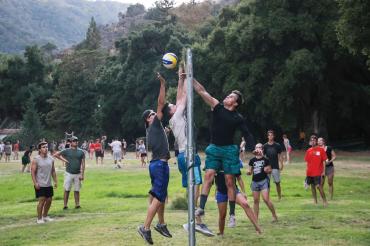 Mind, Body & Spirit
There is always something to do at TAC — something worthwhile, something fulfilling, and something geared toward ever-greater spiritual and intellectual growth.
-
Alumni & Careers
 What Can You Do with a Liberal Education?
Nothing speaks more to the versatility of the College’s academic program than the good that our alumni are doing throughout the Church and the world.



Prince Albert von Thurn und Taxis: “Rational Mind and Non-Rational Agency”
Receive TAC lectures and talks via podcast!
Rational mind and non-rational agency:
Aquinas’ Augustinian account of the sinning will & the hierarchy of the soul.
Albert von Thurn und Taxis
12th Prince of Thurn and Taxis
St. Vincent de Paul Lecture and Concert Series
Thomas Aquinas College, New England
February 27, 2026
1. Human nature as rational – (memory), reason and will.
2. The soul’s hierarchy & agency – the will’s dependence on reason in choice.
3. Non-rational agency – the failure of choice as acting contrary to reason.
3.1 Augustine’s antagonistic accounts of will
3.2 Aquinas’ Augustinian account of sin.
1. Human nature as rational – (memory), reason and will.
Augustine and Aquinas inherit an intellectualist model of the soul from antiquity. For both, reason is supreme in the soul and distinguishes humans and their agency as rational. Augustine’s understanding of the rational soul is of Stoic origin[1], while Aquinas’ understanding of rationality is basically Aristotelian. Neither the Stoics nor Aristotle have a concept of the will, as a psychological faculty separate from reason[2]. Augustine turns the Stoic concept of reason into a trinitarian account of mind engaging in interdependent tasks of memoria, intellectus and voluntas; but there is only one mens for Augustine, the inner man[3]. Augustine's will is not distinct from reason[4], or from memory.
For Aquinas the soul is the principle of life manifesting in two primary operations, cognition and movement[5]. The soul is a subsistent, incorporeal principle[6], it is the form of the human body, and the principle of intellectual operation[7]. Though the soul is referred to as intellectus, reason being its principal power, reason is a power of the soul and not its essence[8]. Nonetheless, as its principal power, its exercise, in understanding, intelligere, is man's specific operation[9]. It is intellect by which man acts[10]. But intellect doesn't move the body except through appetite, an appetite presupposing the operation of reason[11].
The rational appetite, or will, is the second rational power of the soul, and its act of willing, together with understanding, establish the soul's rational operations. Reason and will, the powers behind those operations, are seated in the soul as in their subject[12], and are distinguished according to separate objects[13] (truth and goodness). As a rational appetite, the will is distinguished from the sensitive appetite, since it follows the apprehension of the intellect, while sense appetite follows sense apprehension[14].
Though sharing a natural appetite for the good with lower forms of appetition[15], the will’s natural motion, its nature, is determined by a rational good, i.e. happiness (beatitudo), functioning as the principle and foundation of all rational desire. Everyone desires to be happy; anything willed, is willed only on account of happiness. The will necessarily desires happiness[16].
The will does not desire the things that lead towards happiness by necessity, however; it can desire different things expedient to happiness[17]; it is free to use its act to will or not to will towards any object that is not happiness[18]; it can desire things expedient towards happiness, and also things that are so only apparently; the will can desire well or badly[19].
2. The soul’s hierarchy & agency – the will’s dependence on reason in choice.
Aquinas’ description of free choice, liberum arbitrium, illustrates how the will as a rational power functions properly, and how it fails to do so. Free choice is that from which human agency originates, that by which men are principle of their actions[20], by which they are able to act or not act[21], and by which they have mastery over their agency[22]. Nominally, the liberum arbitrium denotes an act, the free judgement or choice. In another sense, it signifies the principle of this act, the power by which we judge freely[23], i.e. the will.
The same power of will includes a passive voluntas of the end and an active liberum arbitrium of the means[24]. The liberum arbitrium, the free choice itself, as a desire, is an act of the appetitive power, and therefore belongs to the will[25]. But it doesn't pertain to the will absolutely, rather, it concerns the will’s functional relationship towards, and purposeful ordering by reason; choice is a rational desire of something deliberated upon by reason. Choice does not concern the final end of happiness, which is fixed, it concerns contingent things, subject to contingent judgements, undetermined to any one outcome, hence we judge and chose freely[26].
Choice is the free judgement of what is to be done[27], it consist of an inter-action between the cognitive and the appetitive rational powers. With regard to reason, there is deliberation, by which a thing’s expedience is judged in preference to another. With regard to the will, there is an appetitive acceptance of what has been judged[28]. As an act, choice belongs to the will, but this act is based on a judgement concluding deliberation. Choice is a desire of what we have judged[29]. The liberum arbitrium takes its name from the judgement, and choice is a 'kind of judgement'[30], though it is really a desire; an act of the will in the order of reason[31].
The will is dependent on cognition for its agency in three ways: Firstly, any appetible object must be apprehended under the order of goodness. For the will to become functional towards an object, it must be understood as good[32]. Secondly, the will depends on the intellects (re)presentation of a final good, in order to direct its natural desire to something under the consideration of happiness[33]. Thirdly, the will relies on reason’s evaluation of the relationship between individual and final good[34], which provides the will with its practical and moral object[35].
In functional terms, reason exercises formal causality in its presentation of objects or goods to the will; and reason exercises final causality in terms of the (re)presentation of its final good[36]. In moral terms, reason exercises formal causality by formalizing the will's choice, through deliberation and judgment, and final causality by directing the will's choice towards the end[37]. The judgement of reason enables, and constitutes the choice to a large extent, though only the will’s appetitive acceptance of the judgement completes it[38]. Reason's formal and final causality in choice are not deterministic; reason has diverse conceptions of goodness, and judges freely, hence the will is free too[39].
3. Non-rational agency – the failure of choice as acting contrary to reason.
The will can fail to follow reason, leading to a failure of the liberum arbitrium, due to the mastery the will has over its own act of willing or not willing[40]. The will’s choice can be deficient. Though the will can move itself only according to ends and means provided by reason, according to Aquinas, this does not mean it must will them simply. Nor does it mean that it must will them according to the order provided by reason. Any object of love remains tied to the intellect qua object, but the hierarchy of loves, and their intensity is not by necessity determined for the will by reason.
3.1 Augustine’s antagonistic accounts of will
In sinning, the will acts against reason. Augustine's definition of sin requires a sinful act to be performed in full knowledge of this (rational) deficiency[41]. Though reason and will are incorporated in Augustine's concept of mind[42], he attributes full responsibility for sin to the will and its choice. Augustine hypothesizes an independence of the will from reason in sin, that does not appear to be underwritten by his trinitarian description of the rational soul. It is not easy to square this with Augustine's insistence on the will's unity with reason in the mind. Arguably, Augustine invents the power of will, while discovering its powerlessness[43].
Augustine’s will responds to two different descriptions; a good will, constituting the mens as the imago Dei together with memory and reason, and a bad will, describing a travesty of this image[44]. In the first description the will is directed towards the highest Good[45], centred on God, and happiness, in the second the will is turned away from God[46], centred on the self, and misery[47]. We find these two asymmetric and contrary accounts of the will side by side in Augustine[48], yielding two conflicting descriptions of the human being. One in fulfilment of human purpose, in obedience to divine rational order transmitted through the mind[49]; another in denial of this destiny, and in rejection of divine order and the rule of reason[50].
Augustine claims happiness lies in the attainment of unchangeable truth[51], and insists the rational creature's failure to pursue it, and pursuing inferior or disordered goods instead, lies in a voluntary detachment from truth, for which it is fully responsible; the will's choice makes the mind concupiscent[52]. The will is the first cause of evil[53]. The reward of happiness for upholding reason's hegemony, as well as the misery of punishment for its failure to do so, lies in our will[54]. Sinful agency constitutes a misuse of the will, which is created free to do good[55].
There are two antagonistic descriptions of will in Augustine, a bona voluntas, as the Platonic expression of man’s rational nature in the good life, the will's obedience to the order of truth and reason[56], and a desertion of this order by a perversa voluntas, expressing itself in a motion away from God, from Truth, from Wisdom[57]. By separating itself from truth and wisdom, the perverted will separates itself from God as well as reason[58]. But how can the will detach itself from reason if it is part of reason?
3.2 Aquinas’ Augustinian account of sin.
Following Augustine, Aquinas designates sin as a bad human act, which is bad, due to the will being incommensurate with its rule, given by human reason, proximately, and ultimately by God’s reason, through eternal law[59]. Sin is an inordinate act[60]. The deformity of this act, its inordinateness or sinfulness, is retraced to the proximate principle of agency, the will of the rational agent, or its choice[61]. Sin is a privation of rational agency. As a privation of good agency, it cannot be reduced to God as its cause, since God is the principle of goodness and the Good itself. Sin must be caused by a defective principle of action located in the rational creature[62].
The metaphysical constraints Aquinas adheres to illustrate the difficulty of offering a positive description of something that is no actual thing. Evil is a privation, it therefore does not have being, it is precisely a deficiency of being. So its causality is entirely controversial, according to Aristotelian standards. Because it is a privation of a perfecting form, it cannot have a formal cause. Because it is a privation of good (the good having the aspect of an end) it cannot have a final cause[63]. Evil is parasitical on the good, and relies on the good as its subject, wherefore, paradoxically, the good qualifies as the cause of evil, but it does so only as a material cause[64]. As a privation, evil cannot be retraced to an efficient cause either, strictly speaking, except accidentally[65].
For Aquinas, the will and its act are tied to an object and to the power presenting this object, i.e. reason[66]. The will's act extends only to something apprehended as good by reason[67]. In fact the will cannot will anything but under the aspect of good[68] - whether in the universal or in the particular, so the will cannot will anything evil, as evil, it cannot intend evil per se. Since all goods are apprehended by reason through the senses, there is room for error, however. Rational agency can fail, and it can fail as a result of a defect in either the intellect, the sensitive powers, or their interaction with the will.
A defect of reason can lead to sin through ignorance (per ignorantiam), a defect of the sensitive appetite can lead to sin through passion (ex passione), or sin can occur through the will’s own disorderliness (inordinatio ipsius)[69]. The intellect can propose diverse conceptions of good to the will[70], conceptions that are subjective, and don’t necessarily reflect objective good (the apprehended good need not be good in actual fact, it must only be apprehended as such)[71]. Reason can also judge badly. The decision-making process culminates in the will's choice, but it is prepared by the conclusion of deliberation, the judgement of what is to be done, which the will follows, or should follow[72]. Reason can also fail to acquire the knowledge needed for accomplished agency, and it can be held accountable for a privation of knowledge that would prevent bad choice. Though the intellect can be a cause of sin by removing an impediment to sinning, it is not a moving and direct-, but only an indirect cause of sin, for Aquinas.[73]
The liberum arbitrium can also fail, and lead to sin, due to the sensitive powers preventing reason from functioning properly. The sensitive appetite can be captured by a passion impeding reason's ability to judge, or incline it to judge according to a distorted appetite[74]. Through the effect of a sufficiently strong passion, reason can be distracted, opposed, or even paralysed so as to yield to a particular judgement that is contrary to a universal proposition held by the same intellect[75]. The judgment of reason often follows the passion of the sensitive appetite, consequently the will's movement follows it also, since it is born to follow the judgment of the reason[76]. The senses can lead to sin, but only indirectly. The ultimate cause of sin lies in the will, or, more specifically, in a defective relationship of intellect and will in their operative assignment of choice[77].
How can the will cause something opposed to being? Sin is a human act, and as an act, it is a positive operation. As a bad human act, this operation is subject to a privation, namely of rule, or order; the act lacks conformity with its due measure. The act's inordinateness constitutes its sinfulness, retraceable to the will. The will efficiently causes the human act, while acting as the 'deficient' cause of its sinfulness, by failing to submit to the rule of reason. The privation of reason constituting the badness or sinfulness of the action, therefore has a deficient, or accidentally efficient cause[78]. The will causes the evil act directly, without directly intending the evil.
But if the evil is not intended, where does the will’s fault derive from? The privation, the inordinateness of the sinful act, results from a lack of direction in the will. This direction lies in the rule of reason. Because only a voluntary act counts as sin, and only the will can efficiently cause such an act, only the will can be the direct cause and principle of moral evil[79]. The will’s failure to attend to the rule of reason in action can only be retraced to the will itself; it is the sufficient completive cause of sin[80], since the will’s proper operation and goodness consists in its subjection to reason and its rule[81].
Though the will is unreasonable in choosing badly, and fails to submit itself to right reason, it doesn’t act without reason, rather, it acts according to bad reasons, resulting from its inordinate preference[82]. Though the will can refuse to subject itself to reason in a particular case, it cannot act irrationally. We cannot act voluntarily without apprehension and judgement, according to Aquinas. The will may refuse to abide by some judgement of the reason, but it cannot but appetitively accept another judgement, courtesy of a different deliberation.
The sinning will is therefore rational, in a qualified sense, and functionally speaking, because it acts voluntarily; but morally speaking, according to the measure of good or right reasoning, which it rejects, it is non-rational. We can therefore describe sin as non-rational voluntary agency. Sinful agency is voluntary, and therefore rational, to a degree, but reason fails to assert its judgement against a defective efficient cause of action[83], wherefore it is non-rational in the moral order.
The defect results from the privation of reason in choice, and the fault lies in the will proceeding to choose without actively considering reason’s rule. This inconsideration or inattention is attributed to the will[84], despite the sin lying in a privation of reason. Causing an act while failing to subject itself to the rule of reason, the will is sinful in as much as it is rationally deficient[85].
[1] In fact, “the triad of memoria, intellectus and voluntas finds its origin in Cicero", see: Ayres, Lewis. Augustine and the Trinity. Cambridge University Press 2010, p.308 ff; “Prudentia est rerum bonarum et malarum neutrarumque scientia. Partes eius: memoria, intellegentia, providentia. Memoria est per quam animus repetit illa quae fuerunt; intellegentia, per quam ea perspicit quae sunt; providentia, per quam futurum aliquid videtur ante quam factum est.” Cicero. De Inventione, II, 53, 160.
[2] For Aristotle βούλεσις is rational only by participating in reason and willing is not conclusively distinguished from the appetite common to other animals. For the Stoics, willing is an intentional modality of reason, they do not recognize the human will as a distinctive power of the mind, and it is highly likely that Augustine defends just such an idea of the will: “Omnis enim anima viva, non solum rationalis...visis movetur. Sed anima rationalis voluntatis arbitrio vel consentit visis, vel non consentit: irrationalis autem non habet hoc iudicium". Augustine. DeGenAdLit, IX, 14, 25; "Augustine translates the Greek horme by appetitus actionis, and because the Stoic spoke of both an active and a dispositional form of horme, it is quite reasonable to conclude...he is using voluntas as a translation for Stoic horme"; "arbitrium voluntatis is...a synonym for Cicero's phrase in nostra potestate (eph'hemin)…[wherefore] Augustine understands the voluntas in this phrase to mean horme/appetitus, and…arbitrium is a reference to assent". Byers, Sarah. Perception, Sensibility, and Moral Motivation in Augustine: A Stoic- Platonic Synthesis. Cambridge University Press 2013, p.225.
[3] "Viuere se tamen et meminisse et intellegere et uelle et cogitare et scire et iudicare quis dubitet? Quandoquidem etiam si dubitat, uiuit; si dubitat, unde dubitet meminit; si dubitat, dubitare se intellegit; si dubitat, certus esse uult; si dubitat, cogitat; si dubitat, scit se nescire; si dubitat, iudicat non se temere consentire oportere." Augustine. DeTrin, X, 10, 14; “haec igitur tria, memoria, intellegentia, voluntas, quoniam non sunt tres vitae sed una vita, nec tres mentes sed una mens, consequenter utique nec tres substantiae sunt sed una substantia…Quocirca tria haec eo sunt unum quo una vita, una mens, una essentia; et quidquid aliud ad se ipsa singula dicuntur etiam simul, non pluraliter sed singulariter dicuntur. Eo vero tria quo ad se invicem referuntur. Quae si aequalia non essent non solum singula singulis sed etiam omnibus singula, non utique se invicem caperent. Neque enim tantum a singulis singula, verum etiam a singulis omnia capiuntur. Memini enim me habere memoriam et intellegentiam et voluntatem, et intellego me intellegere et velle atque meminisse, et volo me velle et meminisse et intellegere,...Quapropter quando invicem a singulis et tota et omnia capiuntur, aequalia sunt tota singula totis singulis et tota singula simul omnibus totis, et haec tria unum, una vita, una mens, una essentia.“ Ibid. X, 11, 18.
[4] Sarah Byers makes a convincing argument of reading Augustine’s voluntas as the rational impulse resulting from Stoic assent or consent, i.e. ὁρμή, so that "when he uses the phrase arbitrium voluntatis he is being somewhat redundant, using arbitrium to stipulate in what way voluntas is specifically rational horme - namely that it is horme that follows on assent (choice, arbitrium)." Byers 2013, p.224; "voluntas is impulse rooted in the rational capacity of assent to impressions" Ibid. p.226; "a rational being's impulse toward action." Ibid. p.227; "the capacity for having impulse that follows on assent." Ibid. p.230; for a more in depth discussion, see: Byers, Sarah. The Meaning of Voluntas in Augustine, in: Augustinian Studies 37 (2006), pp. 171-189; see also: Augustine. DeTrin, XIII, 4, 7; VIII, 4, 6; X, 1, 3.
[5] "Anima dicitur esse primum principium vitae in his quae apud nos vivunt animata enim viventia dicimus, res vero inanimatas vita carentes. Vita autem maxime manifestatur duplici opere, scilicet cognitionis et motus." Aquinas. ST, Ia, q.75, a.1, resp.
[6] "Necesse est dicere id quod est principium intellectualis operationis, quod dicimus animam hominis, esse quoddam principium incorporeum et subsistens" Ibid. a.2, resp.
[7] "Hoc ergo principium quo primo intelligimus, sive dicatur intellectus sive anima intellectiva, est forma corporis" Ibid. q.76, a.1, resp.
[8] "Intellectus sit aliqua potentia animae, et non ipsa animae essentia" Ibid. q.79, a.1, resp; "Anima intellectiva quandoque nominatur nomine intellectus, quasi a principaliori sua virtute" Ibid. ad 1.
[9] "Propria autem operatio hominis, inquantum est homo, est intelligere, per hanc enim omnia animalia transcendit" Ibid. q.76, a.1, resp; "Hic homo intelligit, quia principium intellectivum est forma ipsius" Ibid.
[10] "Intellectus, qui est intellectualis operationis principium, sit humani corporis forma. Illud enim quo primo aliquid operatur, est forma eius cui operatio attribuitur" Ibid. q.76, a.1, resp.
[11] "Intellectus non movet corpus nisi per appetitum, cuius motus praesupponit operationem intellectus” Ibid; intellect and reason are one and the same power: "In homine eadem potentia est ratio et intellectus" Ibid. q.79, a.8, resp.
[12] "Quaedam operationes sunt animae, quae exercentur sine organo corporali, ut intelligere et velle. Unde potentiae quae sunt harum operationum principia, sunt in anima sicut in subiecto" Ibid. q.77, a.5, resp.
[13] "Appetitivum et intellectivum sunt diversa genera potentiarum animae, secundum diversas rationes obiectorum." Ibid. q.79, a.1, ad 2.
[14] "Sed appetitivum partim convenit cum intellectivo, et partim cum sensitivo, quantum ad modum operandi per organum corporale, vel sine huiusmodi organo, nam appetitus sequitur apprehensionem. Et secundum hoc Augustinus ponit voluntatem in mente, et philosophus in ratione." Ibid; "Quia igitur est alterius generis apprehensum per intellectum et apprehensum per sensum, consequens est quod appetitus intellectivus sit alia potentia a sensitivo." Ibid. q.80, a.2, resp.
[15] "Natura autem et voluntas hoc modo ordinata sunt, ut etiam ipsa voluntas quaedam natura sit; quia omne quod in rebus invenitur, natura quaedam dicitur. Et ideo in voluntate oportet invenire non solum id quod voluntatis est, sed etiam quod naturae est. Hoc autem est cuiuslibet naturae creatae, ut a Deo sit ordinata in bonum, naturaliter appetens illud. Unde et voluntati ipsi inest naturalis quidam appetitus boni sibi convenientis. Et praeter hoc habet appetere aliquid secundum propriam determinationem, non ex necessitate; quod ei competit in quantum voluntas est." DV, q.22, a.5, resp.
[16] "Sicut natura est voluntatis fundamentum, ita appetibile quod naturaliter appetitur, est aliorum appetibilium principium et fundamentum. In appetibilibus autem finis est fundamentum et principium eorum quae sunt ad finem; cum quae sunt propter finem, non appetantur nisi ratione finis. Et ideo, id quod voluntas de necessitate vult quasi naturali inclinatione in ipsum determinata, est finis ultimus, ut beatitudo, et ea quae in ipso includuntur, ut esse, cognitio veritatis, et aliqua huiusmodi" Ibid; "ad alia vero non de necessitate determinatur naturali inclinatione, sed propria dispositione absque omni necessitate." Ibid; "sicut potest accipi ex verbis Augustini, in V de civitate Dei XI cap., duplex est necessitas: necessitas scilicet coactionis, et haec in voluntatem nullo modo cadere potest; et necessitas naturalis inclinationis, sicut dicimus Deum de necessitate vivere: et tali necessitate voluntas aliquid de necessitate vult." Ibid.
[17] "Respectu obiecti quidem est indeterminata voluntas quantum ad ea quae sunt ad finem, non quantum ad ipsum finem ultimum, ut dictum est. Quod ideo contingit, quia ad finem ultimum multis viis perveniri potest, et diversis diversae viae competunt perveniendi in ipsum. Et ideo non potuit esse appetitus voluntatis determinatus in ea quae sunt ad finem, sicut est in rebus naturalibus, quae ad certum finem et determinatum non habent nisi certas et determinatas vias. Et sic patet quod res naturales, sicut de necessitate appetunt finem, ita et ea quae sunt ad finem; ut nihil sit in eis accipere quod possint appetere vel non appetere. Sed voluntas de necessitate appetit finem ultimum, ut non possit ipsum non appetere; sed non de necessitate appetit aliquid eorum quae sunt ad finem. Unde respectu huius modi est in eius potestate appetere hoc vel illud." Ibid. a.6, resp.
[18] "Secundo est voluntas indeterminata etiam respectu actus; quia etiam circa obiectum determinatum potest uti actu suo cum voluerit, vel non uti; potest enim exire in actum volendi respectu cuiuslibet, vel non exire. Quod in rebus naturalibus non contingit: grave enim semper descendit deorsum in actu, nisi aliquid prohibeat. Quod exinde contingit, quod res inanimatae non sunt motae a seipsis, sed ab aliis; unde non est in eis moveri vel non moveri: res autem animatae moventur a seipsis; et inde est quod voluntas potest velle et non velle." Ibid.
[19] "Tertio indeterminatio voluntatis est respectu ordinis ad finem, in quantum voluntas potest appetere id quod secundum veritatem in finem debitum ordinatur, vel quod secundum apparentiam tantum. Et haec indeterminatio ex duobus contingit: scilicet ex indeterminatione circa obiectum in his quae sunt ad finem, et iterum ex indeterminatione apprehensionis, quae potest esse recta vel non recta; …Ita etiam ex quo inest appetitus rectus ultimi finis, non posset sequi quod aliquis inordinate aliquid appeteret, nisi ratio acciperet aliquid ut ordinabile in finem quod non est in finem ordinabile; sicut qui appetit naturaliter beatitudinem appetitu recto, nunquam deduceretur in appetendam fornicationem, nisi in quantum apprehendit eam ut quoddam hominis bonum, in quantum est quiddam delectabile, et sic ut ordinabilem in beatitudinem, velut quamdam imaginem eius. Et ex hoc sequitur indeterminatio voluntatis, qua potest bonum vel malum appetere." Ibid.
[20] "Relinquitur igitur ipsum hominem facientem, esse principium suorum propriorum actuum; et per hoc esse liberi arbitrii" Ibid.
[21] "In hominis potestate est facere et non facere; et ita est liberi arbitrii; homo potest operari et non operari; et ita est liberi arbitrii" Ibid.
[22] "Homines sunt domini suorum actuum, et per hoc liberi arbitrii" Ibid.
[23] "Consuetum est potentiam significari nomine actus. Et sic per hunc actum qui est liberum iudicium, nominatur potentia quae est huius actus principium." ST, Ia, q.83, a.2, ad1; "Quamvis liberum arbitrium nominet quendam actum secundum propriam significationem vocabuli; secundum tamen communem usum loquendi, liberum arbitrium dicimus id quod est huius actus principium, scilicet quo homo libere iudicat" Ibid. a.2, resp.
[24] "Potentias appetitivas oportet esse proportionatas potentiis apprehensivis, ut supra dictum est. Sicut autem ex parte apprehensionis intellectivae se habent intellectus et ratio, ita ex parte appetitus intellectivi se habent voluntas et liberum arbitrium, quod nihil aliud est quam vis electiva." Ibid. a.4, resp; "sicut se habet intellectus ad rationem, ita se habet voluntas ad vim electivam, idest ad liberum arbitrium. Ostensum est autem supra quod eiusdem potentiae est intelligere et ratiocinari, sicut eiusdem virtutis est quiescere et moveri. Unde etiam eiusdem potentiae est velle et eligere. Et propter hoc voluntas et liberum arbitrium non sunt duae potentiae, sed una." Ibid.
[25] "Philosophus dicit, in III Ethic., quod electio est desiderium eorum quae sunt in nobis. Sed desiderium est actus appetitivae virtutis. Ergo et electio. Liberum autem arbitrium est secundum quod eligimus. Ergo liberum arbitrium est virtus appetitiva." Ibid. a.2, sed contra.
[26] "Homo agit iudicio, quia per vim cognoscitivam iudicat aliquid esse fugiendum vel prosequendum. Sed quia iudicium istud non est ex naturali instinctu in particulari operabili, sed ex collatione quadam rationis; ideo agit libero iudicio, potens in diversa ferri. Ratio enim circa contingentia habet viam ad opposita; ut patet in dialecticis syllogismis, et rhetoricis persuasionibus. Particularia autem operabilia sunt quaedam contingentia, et ideo circa ea iudicium rationis ad diversa se habet, et non est determinatum ad unum. Et pro tanto necesse est quod homo sit liberi arbitrii, ex hoc ipso quod rationalis est." Ibid. a.1, resp.
[27] Which is what the term liberum arbitrium denominates: "Et ideo homo non dicitur esse liber suarum actionum, sed liber suae electionis, quae est iudicium de agendis. Et hoc ipsum nomen liberi arbitrii demonstrat." DV, q.24, a.1, ad 1.
[28] Which is why Aristotle denominates προαίρεσις as an intellective appetite, or a deliberative desire.
[29] "Liberi arbitrii est electio, ex hoc enim liberi arbitrii esse dicimur, quod possumus unum recipere, alio recusato, quod est eligere. Et ideo naturam liberi arbitrii ex electione considerare oportet. Ad electionem autem concurrit aliquid ex parte cognitivae virtutis, et aliquid ex parte appetitivae, ex parte quidem cognitivae, requiritur consilium, per quod diiudicatur quid sit alteri praeferendum; ex parte autem appetitivae, requiritur quod appetendo acceptetur id quod per consilium diiudicatur. Et ideo Aristoteles in VI Ethic. sub dubio derelinquit utrum principalius pertineat electio ad vim appetitivam, vel ad vim cognitivam, dicit enim quod electio vel est intellectus appetitivus, vel appetitus intellectivus. Sed in III Ethic. in hoc magis declinat quod sit appetitus intellectivus, nominans electionem desiderium consiliabile. Et huius ratio est, quia proprium obiectum electionis est illud quod est ad finem, hoc autem, inquantum huiusmodi, habet rationem boni quod dicitur utile, unde cum bonum, inquantum huiusmodi, sit obiectum appetitus, sequitur quod electio sit principaliter actus appetitivae virtutis. Et sic liberum arbitrium est appetitiva potentia." ST, Ia, q.83, a.2, resp.
[30] "Iudicium est quasi conclusio et determinatio consilii. Determinatur autem consilium, primo quidem per sententiam rationis, et secundo per acceptationem appetitus, unde philosophus dicit, in III Ethic., quod ex consiliari iudicantes desideramus secundum consilium. Et hoc modo ipsa electio dicitur quoddam iudicium, a quo nominatur liberum arbitrium." Ibid. ad 2.
[31] "Electio habet in se aliquid voluntatis, et aliquid rationis. Utrum autem sit actus proprie voluntatis, vel rationis, philosophus videtur relinquere sub dubio in VI Ethicorum, ubi dicit, quod electio vel est appetitus intellectivi, idest appetitus in ordine ad intellectum, vel intellectus appetitivi, idest intellectus in ordine ad appetitum. Primum autem verius est, scilicet quod sit actus voluntatis in ordine ad rationem." Ibid. a.14, resp.
[32]"Obiectum intellectus est ipsa ratio boni appetibilis; bonum autem appetibile, cuius ratio est in intellectu, est obiectum voluntatis" Ibid. a.3, resp.
[33] "Voluntas in nihil potest tendere nisi sub ratione boni" Ibid. a.3, ad 1.
[34] "Cum autem consilia et electiones sint circa particularia, quorum est actus, requiritur ut id quod apprehenditur ut bonum et conveniens, apprehendatur ut bonum et conveniens in particulari, et non in universale tantum" Ibid. q.82, a.4, resp.
[35] "Obiectum movens voluntatem est bonum conveniens apprehensum; unde si aliquod bonum proponatur quod apprehendatur in ratione boni, non autem in ratione convenientis, non movebit voluntatem" Ibid.
[36] "Aliquid dicitur movere dupliciter. Uno modo, per modum finis; sicut dicitur quod finis movet efficientem. Et hoc modo intellectus movet voluntatem, quia bonum intellectum est obiectum voluntatis, et movet ipsam ut finis." Ibid..
[37] This can be seen by comparing willing simply, with the will’s acts of intention and choice: "Et ita intendere in hoc differt a velle, quod velle tendit in finem absolute; sed intendere dicit ordinem in finem, secundum quod finis est in quem ordinantur ea quae sunt ad finem. Cum enim voluntas moveatur in suum obiectum sibi propositum a ratione, diversimode movetur, secundum quod diversimode sibi proponitur. Unde, cum ratio proponit sibi aliquid ut absolute bonum, voluntas movetur in illud absolute; et hoc est velle. Cum autem proponit sibi aliquid sub ratione boni, ad quod alia ordinentur ut ad finem, tunc tendit in illud cum quodam ordine, qui invenitur in actu voluntatis, non secundum propriam naturam, sed secundum exigentiam rationis. Et ita intendere est actus voluntatis in ordine ad rationem." Ibid..
[38] "Electio enim est ultima acceptio qua aliquid accipitur ad prosequendum; quod quidem non est rationis, sed voluntatis. Nam quantumcumque ratio unum alteri praefert, nondum est unum alteri praeacceptatum ad operandum, quousque voluntas inclinetur in unum magis quam in aliud: non enim voluntas de necessitate sequitur rationem. Est tamen electio actus voluntatis non absolute, sed in ordine ad rationem, eo quod in electione apparet id quod est proprium rationis, scilicet conferre unum alteri, vel praeferre: quod quidem in actu voluntatis invenitur ex impressione rationis, in quantum scilicet ipsa ratio proponit voluntati aliquid non ut utile simpliciter, sed ut utilius ad finem." Ibid.
[39] Although there is a concurrence of cognition, inclination and operation in choice, Aquinas retraces the reason for its freedom to reason: "Quod cum ad operationem nostram tria concurrant, scilicet cognitio, appetitus, et ipsa operatio, tota ratio libertatis ex modo cognitionis dependet." Ibid. a.2, resp; “radix libertatis est voluntas sicut subiectum, sed sicut causa, est ratio. Ex hoc enim voluntas libere potest ad diversa ferri, quia ratio potest habere diversas conceptiones boni. Et ideo philosophi definiunt liberum arbitrium quod est liberum de ratione iudicium, quasi ratio sit causa libertatis." IaIIae, q.17, a1, ad.
[40] "Secundo est voluntas indeterminata etiam respectu actus; quia etiam circa obiectum determinatum potest uti actu suo cum voluerit, vel non uti; potest enim exire in actum volendi respectu cuiuslibet, vel non exire. Quod in rebus naturalibus non contingit: grave enim semper descendit deorsum in actu, nisi aliquid prohibeat. Quod exinde contingit, quod res inanimatae non sunt motae a seipsis, sed ab aliis; unde non est in eis moveri vel non moveri: res autem animatae moventur a seipsis; et inde est quod voluntas potest velle et non velle." DV, q.22, a.6, resp.
[41] “Quod proprie peccatum vocatur – libera enim voluntate et ab sciente committitur”. Augustine. DeLibArb, III, 54.
[42] We can love only what we know, for Augustine, and choices express our loves, just as our loves reflect the way we see and understand the world, meaning that our judgements and our loves are harmonious. Knowing and loving are so intertwined, they cannot be properly distinguished. Take for example Augustine’s definition of belief as cogitare cum assensione (Augustine. DePredSanct, II, 5), "which sounds rather like Stoic knowing:...thinking about something with assent". Rist, John. Augustine: Ancient Thought Baptized. Cambridge University Press 1994, p.60.
[43] “C’est Augustin qui…découvre la puissance de la volonté, dans son Traité du libre arbitre. Et pourtant, c’est aussi ce même Augustin qui découvre l’impuissance de la volonté”. Boulnois, Olivier. Généalogie de la liberté. Seuil 2021, p.253.
[44] In sinning man exercises a perverse imitation of God - in whom the will acts freely and unrestrictedly - in mockery of his omnipotence and in ignorance of his own status as created and dependent, according to Augustine, reflecting on his youthful and gratuitious stealing of fruit, see: Augustine. Conf, II, 6, 12 ff; "Ut mancam libertatem captivus imitarer faciendo impune quod non liceret tenebrosa omnipotentiae similitudine?" ContFaust, II, 6, 14; see also: Conf, VII, 3, 5; and DeCivDei, XIV, 9.
[45] “Beatus est quippe qui fruitur summo bono. Haec enim veritas ostendit omnia bona quae vera sunt, quae sibi suo captu intellegentes homines vel singula vel plura eligunt quibus fruantur.” DeLibArb, II, 36.
[46] “Restat igitur ut eius sit proprius iste motus quo fruendi voluntatem ad creaturam a creatore convertit.” Ibid. III, 2.
[47] "Ratione institutus cursus, et voluntas ipsa perduceret...pauciqua perduceret." DeBeatVit, I, 1; "Augustine…recognizes the existence of an evil will ("mala voluntas") as well as a good will, and makes the adoption of one or the other the central concern of human life." Gilbert, Neal. The Concept of Will in Early Latin Philosophy, in: Journal of the History of Philosophy vol.1, 1 (1963), pp. 17-35, p. 35.
[48] Bona voluntas or perversa/mala voluntas; sinful self-love must be distinguished from eudaimonist self-love, i.e., the pursuit of one's proper good, which, being God, turns proper self-love (the desire for happiness) into a love of God (the summum bonum constituting such happiness); "magnum bonum est natura rationalis, ut nullum sit bonum quo beata sit nisi Deus." Augustine. DeNatBon, VII; "non enim fieri potest ut seipsum, qui Deum diligit, non diligat: imo vero solus se novit diligere, qui Deum diligit. Si quidem ille se satis diligit, qui sedulo agit, ut summo et vero perfruatur bono...nihil est aliud quam Deus". DeMorEccl, I, 26, 48-49.
[49] "Quid est bona voluntas? Voluntas qua appetimus recte honesteque vivere, et ad summam sapientiam pervenire." DeLibArb, I, 12, 25; "Deinde, libertas, qua quidem nulla vera est, nisi beatorum, et legi aeternae adhaerentium." Ibid. I, 15, 32.
[50] "Nullaque re de arce dominandi, rectoque ordine mentem deponi, nisi voluntate" Ibid. I, 16, 34.
[51] “Nemo enim beatus est nisi summo bono, quod in ea veritate quam sapientiam vocamus cernitur et tenetur.” Ibid. II, 26.
[52] “Nulla res alia mentem cupiditatis comitem faciat quam propria voluntas et liberum arbitrium". Ibid. I, 21.
[53] “Aut igitur voluntas est prima causa peccandi aut nullum peccatum est prima causa peccandi." Ibid. III, 49.
[54] “Hoc enim aeterna lex illa...incommutabili stabilitate firmavit, ut in voluntate meritum sit, in beatitate autem et miseria praemium atque supplicium.” Ibid. I, 30.
[55] “Nunc vero deus cum peccantem punit, quid aliud tibi videtur dicere nisi: 'Cur non ad eam rem usus es libera voluntate, ad quam tibi eam dedi?' hoc est ad recte faciendum?” Ibid. II, 3.
[56] "Maxima libertas est amare Deum." DeBeatVit, XV, 7; ContraJul, I, 100.
[57] "Et quaesivi quid esset iniquitas et non inveni substantiam, sed a summa substantia, te deo, detortae in infirma voluntatis perversitatem." Conf, VII, 16, 22; "Sed malum sit aversio eius ab incommutabili bono et conversio ad mutabilia bona; quae tamen aversio atque conversio quoniam non cogitur, sed est voluntaria, digna et iusta eam miseria poena subsequitur.” DeLibArb, I, 34.
[58] “Veritatem autem atque sapientiam nemo amittit invitus: non enim locis separari ab ea quisquam potest; sed ea qua dicitur a veritate atque sapientia separatio, perversa voluntas est, qua inferiora diliguntur. Nemo autem vult aliquid nolens.” Ibid. II, 37.
[59] “Regula autem voluntatis humanae est duplex, una propinqua et homogenea scilicet ipsa humana ratio; alia vero est prima regula scilicet lex aeterna, quae est quasi ratio Dei.“ Aquinas. ST, IaIIae, q.71, a.6, resp.
[60] “Peccatum est quidam actus inordinatus“. Ibid. q.75, a.6, resp.
[61] “Actus peccati et est ens, et est actus; et ex utroque habet quod sit a Deo. Omne enim ens, quocumque modo sit, oportet quod derivetur a primo ente...omne autem ens actu reducitur in primum actum, scilicet Deum, sicut in causam, qui est per suam essentiam actus. Unde relinquitur quod Deus sit causa omnis actionis, inquantum est actio. Sed peccatum nominat ens et actionem cum quodam defectu. Defectus autem ille est ex causa creata, scilicet libero arbitrio, inquantum deficit ab ordine primi agentis, scilicet Dei. Unde defectus iste non reducitur in Deum sicut in causam, sed in liberum arbitrium...Et secundum hoc, Deus est causa actus peccati, non tamen est causa peccati, quia non est causa huius, quod actus sit cum defectu.“ Ibid. q.79, a.2, resp.
[62] “In actione quidem causatur malum propter defectum alicuius principiorum actionis“ Ibid.
[63] “Causam autem formalem malum non habet, sed est magis privatio formae. Et similiter nec causam finalem, sed magis est privatio ordinis ad finem debitum.“ Ia, q.49, a.1, resp.
[64] “Esse autem causam non potest convenire nisi bono, quia nihil potest esse causa nisi inquantum est ens; omne autem ens, inquantum huiusmodi, bonum est...Et quidem quod bonum sit causa mali per modum causae materialis...est enim quod bonum est subiectum mali.“ Ibid.
[65] “Causam autem per modum agentis habet malum, non autem per se, sed per accidens.“ Ibid.
[66] "Bonum autem appetibile, cuius ratio est in intellectu, est obiectum voluntatis" q.82, a.3, resp.
[67] “Omnis inclinatio consequatur aliquam formam...appetitus autem sensitivus, vel etiam intellectivus seu rationalis, qui dicitur voluntas, sequitur formam apprehensam...ita id in quod tendit appetitus animalis vel voluntarius, est bonum apprehensum.“ IaIIae, q.8, a.1, resp.
[68] "Voluntas in nihil potest tendere nisi sub ratione boni" Ia, q.82, a.3, ad 1.
[69] “Principia autem humanorum actuum sunt intellectus et appetitus, tam rationalis, qui dicitur voluntas, quam sensitivus. Peccatum igitur in humanis actibus contingit quandoque, sicut ex defectu intellectus, puta cum aliquis per ignorantiam peccat; et ex defectu appetitus sensitivi, sicut cum aliquis ex passione peccat; ita etiam ex defectu voluntatis, qui est inordinatio ipsius" IaIIae, q.79, a.1, resp; Aquinas gives a trinitarian dimension to this triad of evil in another place, by allocating to each of these a specific offence against the Godhead; by sinning through ignorance, against the all-knowing Son; through weakness, against the all-mighty Father; and through malice, against the merciful Holy Ghost: “Peccavi, Deus meus, fragilitate contra te, Patrem omnipotentem, ignorantia contra te, Filium sapientem, malitia contra te, Spiritum Sanctum clementem. Et his offendi te Trinitatem excellentem.“ Pro peccatorum remissione, in: Anderson, R. et al transl. eds. The Aquinas Prayer Book. Sophia Institute Press 2000, p.47-48.
[70] “Ex hoc enim voluntas libere potest ad diversa ferri, quia ratio potest habere diversas conceptiones boni.“ Aquinas. ST, IaIIae, q.17, a.1, ad 2.
[71] “Ad hoc igitur quod voluntas in aliquid tendat, non requiritur quod sit bonum in rei veritate, sed quod apprehendatur in ratione boni.“ Ibid. q.8, a.1, resp.
[72] "Conclusio etiam syllogismi qui fit in operabilibus, ad rationem pertinet; et dicitur sententia vel iudicium, quam sequitur electio. Et ob hoc ipsa conclusio pertinere videtur ad electionem, tanquam ad consequens" Ibid. q.13, a.1, ad 2.
[73] “Causa movens est duplex, una per se, et alia per accidens. Per se quidem, quae propria virtute movet, sicut generans est causa movens gravia et levia. Per accidens autem, sicut removens prohibens, vel sicut ipsa remotio prohibentis. Et hoc modo ignorantia potest esse causa actus peccati, est enim privatio scientiae perficientis rationem, quae prohibet actum peccati, inquantum dirigit actus humanos.“ q.76, a.1, resp.
[74] “Impeditur enim iudicium et apprehensio rationis propter vehementem et inordinatam apprehensionem imaginationis, et iudicium virtutis aestimativae... Unde videmus quod homines in aliqua passione existentes, non facile imaginationem avertunt ab his circa quae afficiuntur. Unde per consequens iudicium rationis plerumque sequitur passionem appetitus sensitivi“ Ibid. q.77, a.1, resp.
[75] See Ibid. a.2, resp.
[76] “Unde per consequens iudicium rationis plerumque sequitur passionem appetitus sensitivi; et per consequens motus voluntatis, qui natus est sequi iudicium rationis.“ Ibid. a.1, resp.
[77] “Peccatum essentialiter consistit in actu liberi arbitrii, quod est facultas voluntatis et rationis.“ Ibid. a.7, resp.
[78] “Et secundum hoc consuevit dici quod malum, quod in quadam privatione consistit, habet causam deficientem, vel agentem per accidens“. Ibid. q.75, a.1, resp.
[79] “Proprium autem principium actus peccati est voluntas, quia omne peccatum est voluntarium...Relinquitur ergo quod ex hac parte sola voluntas hominis sit directe causa peccati eius.“ Ibid. q.80, a.1, resp.
[80] “Causa sufficienter complens peccatum est sola voluntas.“ Ibid. q.75, a.3, resp.
[81] “Immoderata est omnis susceptarum voluntatum pertinacia, ubi non rationi voluntas subiicitur. Sed bonitas voluntatis consistit in hoc quod non sit immoderata. Ergo bonitas voluntatis dependet ex hoc quod sit subiecta rationi.“ Ibid. q.19, a.3, sed contra.
[82] “Free choice is grounded...in an irreducible ability to give oneself alternative reasons for acting“. MacDonald, Scott. Practical Reasonsing and Reasons-Explanations: Aquinas’s Account of Reason’s Role in Action, in: MacDonald, Scott C. and Stump, Eleonore, eds. Aquinas's Moral Theory: Essays in Honor of Norman Kretzmann. Cornell University Press 1998, pp. 133-160, p.159.
[83] “Cum igitur peccatum ex parte inordinationis habeat causam agentem per accidens, ex parte autem actus habeat causam agentem per se.“ IaIIae, q.75, a.1, resp.
[84] “Sed ex hoc accipit primo rationem culpae, quod sine actuali consideratione regulae procedit ad huiusmodi electionem“. DM, q.1, a.3, resp.; see also: ST, IaIIae, q.75 a.2 ad 1.
[85] “Peccatum nihil aliud est quam actus humanus malus. Quod autem aliquis actus sit humanus, habet ex hoc quod est voluntarius...Habet autem actus humanus quod sit malus, ex eo quod caret debita commensuratione.“ Ibid. q.71, a.6, resp; it is not its failure to subject itself to reason as such that constitutes the sin, according to Aquinas, rather, failed agency results from proceeding to action subject to this deficiency: “Defectus actionis a voluntate actu deficiente procedit, inquantum non subiicit se actu suae regulae. Qui tamen defectus non est culpa, sed sequitur culpa ex hoc quod cum tali defectu operatur.“ Ibid. Ia, q.49, a.1, ad 3; “Sic igitur voluntas carens directione regulae rationis...causat actum quidem peccati per se, sed inordinationem actus per accidens et praeter intentionem, provenit enim defectus ordinis in actu, ex defectu directionis in voluntate.“ Ibid. IaIIae, q.75, a.1, resp.
| Receive lectures and talks via podcast! | ||||
|---|---|---|---|---|
 |
 |
 |
 |
 |